Dining out at restaurants that silently uncovers multiple good motives like a weekend getaway, celebrations, relaxing evening, informal meetings, and more seems to be an improbable dream nowadays.
The COVID-19 pandemic has hit the lives of people and businesses at its worst. Among many other industries smashed by the pandemic crisis, the food service sector is one of the most impacted.
The generous hospitality, extensive servings, valet services have been grilled in the panic cities and have become the biggest nightmare for food lovers.
The fear of catching the virus has led them to control their cravings and restrain from visiting their favorite restaurants.
In a survey held recently, 70% respondents denied visiting restaurants in the next 30 days and only 20% said yes. When asked about the primary reason for not wanting to visit their favorite restaurant in the city, the answer was not surprising:
- 38% said they fear if they catch the virus from the restaurant staff.
- 12% said they do not want to spend on eating out right now.
- 49% said both of these apply to them.
Unsure about the time this virus will stay amongst us, Dine out restaurants are mulling over plans and rethinking operations that adhere to precautionary measures as well as suits COVID-19 sensibilities of customers.

To instill the confidence amongst customers and to minimize human touchpoints that are the biggest two drivers of bringing restaurants back to life, the concept of ‘Contactless Dining’ is once again between us.
What is Contactless Dining? How does it work? Is it sustainable? How will it help in maintaining hygiene and safety in the Food & Beverage industry? Will it be effective in the survival of the restaurant business?
Let’s understand!
What is Contactless Dining?
Contactless Dining is a method that avail digital functionalities to minimize physical contacts from customers with the things that have been touched multiple times by varying guests.
Some of the high-touch elements at restaurants include menu cards, ATM card swipe machines, bill books, etc. They are often unsanitized and touched by multiple guests.
Contactless Dining also ensures that customers don’t have to wait long in the queues waiting to place their orders and have a hassle-free dining experience.

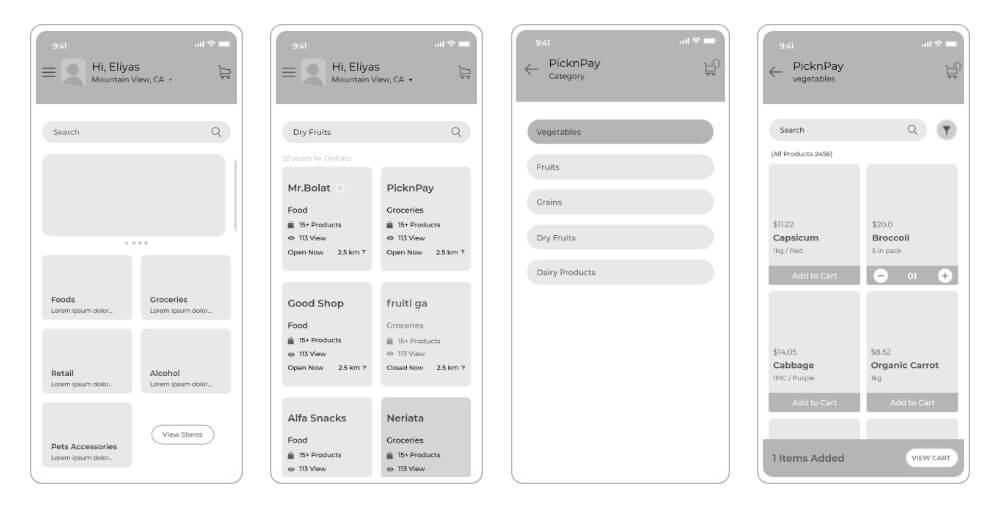
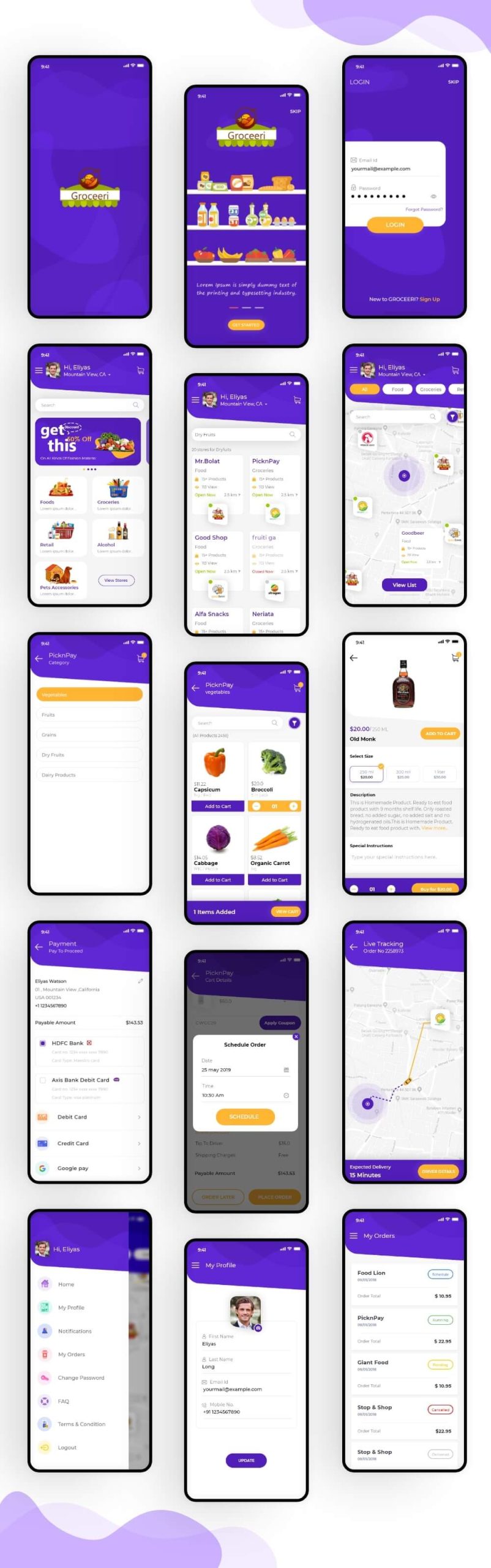
All the restaurant partners can get their custom QR Codes generated. Using this QR Code, diners will be able to access the digital menu of the restaurant. They can add the food items to the cart and pay it online while sitting at the table inside the restaurant.
This QR-based digital commerce will help restaurants in building their own Omni-channel digital platform and is also expected to be able to connect customers through Whatsapp.
Additionally, the customers will no longer have to download the app for ordering inside the restaurant. A simple scanning on QR code will serve the purpose and reduce the physical contact.
How to Develop a Full Stack Tech-Enabled Dining Experience?
- Use Digital Menus
- Pre-ordering Options
- Online waitlist management
- Contactless Payments
- Digital Wallets
Takeaway and Home Delivery Services- A New Revenue Line
The food and beverage industry can also shift or add to their business models the concept of ‘takeaway and home delivery” through the contactless dining technology.
Recently, Starbucks has also overhauled its strategies to fight with the dropping sales in the lockdown period and has resumed the takeaway and home delivery services across major cities. While McDonald’s– the largest burger chain has also partnered with Swiggy to boost its home delivery model and introduced contactless delivery.
Apart from these digital measures, restaurants should also follow the hygiene and safety practices to keep the virus at bay. Some effective measures should be considered are:
- Ensure periodic cleansing, sanitizing, and disinfecting of hightouch points such as tables, doors, handles, chairs, etc.
- Arranging tables at least one meter apart from each other.
- Placements of hand sanitizers for the staff and guests at multiple places and provide handwashing stations.
- Compulsions of hand masks, gloves, and daily staff temperature checks.
- Educating staff about the necessary precautions.
It’s high time for restaurants to take proactive measures to impose a safer, hygienic, and contactless dining experience for customers.
Contactless Dining is going to be a new norm! Getting developed the solution will not only help you fight the pandemic in the long run but also set an Omni-channel platform for ensuring smooth dining, delivery and takeout experience.