What Is Online Reputation Management (ORM)? A Brief Guide

All things internet- this is the new world where we live. Everything, everyone, and anyone is available on the internet today. From brands to celebrities, businesses to customers; all seeking each other either to proffer or to avail services.

However, this direct connection of business and customers comes with own set of challenges. Any content on a digital network, positive or negative, can make or break a business. Thus, directly impacting a business’s reputation. For that reason, businesses or brands, or public figures have to be vigilant round the clock to keep their image intact on the internet or digital channels.

That said, the brands, business, or a person that seek or apply strategies to monitor the reputation, address the content or any customer feedback online to maintain, enhance, or create a positive public perception online is known as Online Reputation Management (ORM).

The Logic Behind

ORM matters. Actually matters a lot. Research shows that one negative review takes away 22% of prospects and around 30 customers. Three negative reviews will take away 59.2% and more than four negative reviews will increase the lost customers by 70%. In a nutshell, the greater the negative reviews the greater is the percentage of customer lost.

A negative review changes customer perception towards the brand, tarnishes the business reputation, tumbles the revenue, and ultimately decreases the profits.

As a result, the accountability of online reputation management turns up.

Digging Deep : What ORM does not mean?

Online Reputation Management never means you’re hiding the news, deleting the negative reviews, wooing the media, or burying the news headlines. Instead, ORM helps you to deploy strategies that prepare you to confront feedbacks and customer opinions and improve online reviews.

Generally, the popular online review sites include Google My Business, Facebook, YelpAngiTrip Advisor, Four Square, Yellow pages, among others.

The Need : Why Should You Care?

A brand is no longer what
we tell the consumer, it is what
consumers tell each other it is.

Scott Cook

Founder, Intuit

Your brand’s reputation is what people say about you.

Consumers before buying the products or services from you, “Google” you first. Check out what people say about you, look for customer opinions and recommendations.

A good example to emphasize this diring need of building a positive reputation can be explained by a few industry leading stats. It goes as:

  • Two out of three people see the Internet as the most reliable source of information about a person or a business (Edelman Insights).
  • When looking for a local business, 97% of people read online reviews (BIA Kelsey) — Businesses with excellent online reviews excel in the run of attracting more customers.
  • Over 80% of reputation damage comes from a mismatch between the buzz and the reality (Digimind) — Companies with a lot of negative reviews miss out on profits and avenues to new opportunities.
  • 79% of consumers place equal weight on both online reviews and personal recommendations.
  • Online defamation by angry customers and former employees can destroy a business reputation.

In a nutshell, the better your reputation, the more you build brand awareness. And with Online Reputation Management, businesses choose to show what they want to show their audience. An ORM strategy generates smart insights to increase brand awareness.

What Does Online Reputation Management Involve?

ORM is a strategic combination of search engine optimization SEO, marketing, public relations, and legal to promote, protect and defend your online image or business reputation.

The basic plans for ORM typically involve the following activities:

  • Deploying ORM software for review lifecycle management. The phases in this cycle include seeking user reviews, monitoring reviews, and promoting reviews. This review cycle helps brands in building trust and reputation, as well as attracting new customers.
  • Giving response to both positive and negative reviews to express gratitude to customers for relying on the services or addressing the concern/issue.
  • Actively prompting customers to leave positive reviews about the brand/business.
  • Doing promotional activities or marketing of positive reviews through paid ads, newsletters, popular social media channels like Facebook, Instagram, LinkedIn, and other multiple owned channels like websites, apps, etc.
  • Business profile development and social media profile optimization.
  • Press release distribution, sponsoring contests and giveaways.
  • Content marketing through blogs, articles, and web 2.0.
  • On-page optimization of brand’s online assets.

The Direct Benefits of Building Online Reputation

  • Attracts more business
  • Generates good business insights
  • Good reputation attracts better employees
  • Increases sales and profits
  • Improves customer experience
  • Increases the brands’ exposure
  • Builds trust and credibility
  • Improves online visibility

Additional Benefits of an Excellent Online Reputation Campaign

  • Focuses on building a positive brand image
  • Ensures brands get a first good positive impression by the visitors
  • Effectively encounters negative rumors and propagandas viraling out
  • Turns cold visitors into prospects by its positive brand image and trust built up

How Codiant Can Help You to Manage your Online Reputation

Codiant’s framework for online risk and digital reputation management helps enterprises manage risks and threats from digital channels.

Our process to build a secure infrastructure of ORM for our clients comprises of:

  • Analyzing the consumer sentiments taking the brand in the digital network.
  • Monitoring keywords, digital channels, and stakeholders who can influence the most.
  • Building a technology architecture to secure the digital assets and online ecosystem using monitoring tools.
  • Preventing unauthorized access and fraud usage through devices like antivirus and firewalls.
  • Kick starting the reputation management tasks to get better rankings, reviews, and conversions.
The Biggest Trends in Online Medicine Delivery Industry

Your phone can order almost anything and everything—where ordering medicines has come as a bliss. A touch can bring all health services on your doorsteps.

The development of online medicine delivery app is defying gravity. The ease, convenience, and increased access to healthcare facilities—with full instructions — are all coming from a swipe.

Even local pharmacies, diagnosis centers, emerging medicine brands, which have a questionable future are performing decently.

Research Nester has released a report titled “e-Pharmacy Market – Global Demand Analysis & Opportunity Outlook 2028”, in which they anticipated global online pharmacy app market to record a CAGR of 14.22% during the forecast period i.e. 2020-2028.

Apparently, this implies the majority of medicine delivery growth lies online. And it goes without saying, there are some greater expectations from this industry, which comes after the wake of the turmoil and disruption caused by the COVID-19 pandemic.

Coming at this critical time, developments made in online medicine delivery apps presents an excellent opportunity for pharmacists to release updates in the apps with features that are likely to make a statement in the coming time.

Here are the Five unique challenges which could be opportunities for the pharma industry and when integrated into apps can improve medical service efficiency and quality

  1. Consumers, mostly patients with chronic disease, are getting obsessed and opportunely dependent on online pharmacy apps. They like how easily they can find and consult doctors for any concern, book appointments, make a diagnosis, and buy medicines.Implication : Develop an online pharmacy app solution embedded with features like:
    • Searching doctors online by filters like specialty, ratings, location, availability, qualification, etc.
    • Online appointment booking and scheduling feature to choose the time slot and book consultation.
    • Telemedicine or teleconsultation feature where patients can book a video, voice, or chat consultation.
  2. Internet pre-diagnosis services are helping patients identify and understand their condition before it is clinically apparent and becoming more knowledgeable about which hospitals or doctors might hold the best facilities and specialty.Implication : If your on-demand medicine delivery solution allows users to search doctors in the app, it should have an online doctor or clinic rating system that can help patients find the right care provider.
  3. Communicable diseases or highly contagious viral diseases are a threat to global health. Raising concern and being a part to mitigate the disease impact on human health comes as a responsibility to anyone falling in the healthcare industry.The companies drafting and monitoring measures that ensure national preparedness and strengthen the core capacities of people and government will be a frontrunner.

    Implication : Taking health surveillance, giving disease warning and health advices can lead to better care for users and increase the app’s mass reach.

  4. Telemedicine integrated into an online medicine delivery app can help people living in remote and rural areas, particularly the vulnerable and disadvantaged populations to get urgent care facilities along with the provision to order medicines through the prescription shared by Doctor then and there.Implication : Telemedicine is paramount and its significance has soared even more after the COVID outbreak. Integrating telemedicine app solutions can provide patients with more comprehensive services.
  5. Security is a major concern in the healthcare industry. Biopharma and Medtech companies will focus more on regulating digital health and apps to address privacy, security, and regulatory concerns.Implication : Developing a compliant app with robust infrastructure in place would be the key. The app should be regularly maintained and be ensured it is scalable and can meet time-sensitive features on a fast timeline.

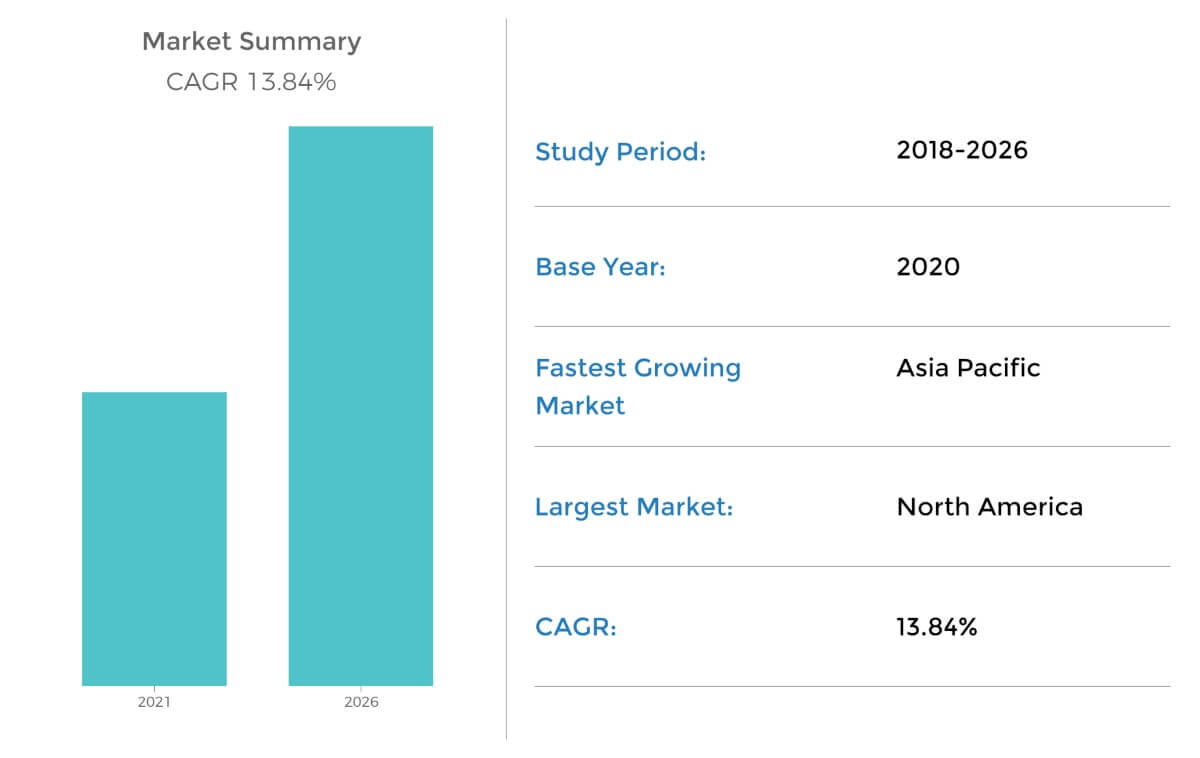
Some Valuable ePharmacy Market Statistics (2021-2026)

e-pharmacy-market-statistics
Source: Mordor Intelligence

  • The e-pharmacy market was valued at approximately USD 60,430.14 million in 2020, and it is expected to witness a revenue of USD 136,160.27 million in 2026, with a CAGR of 13.84% over the forecast period.
  • The in-clinic doctor visits are replaced by virtual-based teleconsultations which directly results in e-prescription generation resulting in an upsurge of online medicine orders.
  • North America holds the largest market share of the e-pharmacy market and is expected to witness the same trend over the forecast period.

Competitive Landscape

The key market players of the studied market comprise CVS Health Corporation, Albertsons Companies Inc., ALTO, and Axelia Solutions (Pharmeasy), among others.

Finding the Best Online Medicine Delivery App Development Company

Codiant is the top reviewed Online Medicine Delivery App Development Company having an expansive portfolio in the healthcare industry. The company’s mastery of patient-centered solutions has proven quite useful during COVID-19.

With a complete healthcare suite ranging from telemedicine app developmentremote patient monitoring to online pharmacy apps, Codiant has outpaced the competition in healthcare sector by serving more than 100 clients globally.

3 Top Tips Businesses Should Use To Successfully Navigate After COVID-19

COVID-19- the other name of disruption? An event that has reset the entire economy. An event that has transformed companies and investors’ needs; shifted the strategies, rules, policies and made the economy and its operations all chaotic.

There is a dire need for markets to embrace change, reimagine the business models, and create frameworks that could help them to cure the dynamics and repercussions of COVID-19.

Here we discuss the three phases from the experiential notes of Goldman Sachs that happen to be most resilient in curing the disruption of COVID-19.

1.Preservation

The rule for preservation is quite simple! The more financial reserves you have the more will be the future returns. Though the concept of preservation is not limited to financial assets, it is also concerned with digitally preserving business processes and services that ensure long-term continued access.

So, preserve what you have for a better tomorrow. This can include any underlying dependencies like technical infrastructure, hardware, or any other third-party services and information. It will help you to combat risks, chaos, uncertainty, and foster business continuity management with full resilience.

2.Consolidation

If you’re a company with a business model that is performing well in every stage in the uncertain times means you have separated yourself from the pack. Reason? This is the time where customers want their needs to be met immediately with full ease even if it is served by locals with a narrow supply chain.

In the consolidation phase, you need to know:

  • Which strategy is working which isn’t?
  • Will the supplier be able to supply things?
  • Which customer is still buying?

Companies like Amazon, Zoom have tapped the trend of order from home and work from home.

Skype was an early entrant or say ahead of its time but Zoom nailed it well.

So, basically, it’s all about consolidation and restructuring to existing technologies rather than reinventing the whole model.

3.Innovation

In the innovation phase, everyone in the system will have to see things that work, will have to evaluate new needs, new nature of the business. Then innovate.

This creates a greater opportunity to make disruption easier with bigger returns and capitals. From an investment and innovation standpoint, the companies that fix the problem first can be the new entrant.

Summing Up

It is important for companies to determine the right growth opportunities and pick the right strategy to ensure they work with a competitive advantage. And this can happen only if companies can successfully determine which product suites, software bundles and services are best suited for their business.

Codiant’s comprehensive suite of Digital Research and Strategy Planning services assess companies with strategy building, project roadmaps, and the right technology products, platforms and channels.

We encourage innovation by helping our customers pull the right digital enablers like websites, mobile apps and analytical platforms all supported by exclusive digital strategies that help businesses achieve the desired goals and milestones.

Google I/O 2021 Keynote Highlights: Everything from Android 12 to a New Wear OS.

“Innovation in the Open” – The most awaited Google I/O 2021 is incessantly proving over years- it doesn’t build castles in the air, but amazes us with a tail of newest developments.

Unlike every year, which unfortunately was canceled in 2020, due to concerns around coronavirus, Google I/O 2021 keynote finally took place on Tuesday 18th May where CEO Sundar Pichai and his team of executives announced a list of new developments, along with the major hit product release of Android 12 and new Wear OS.

Being laser-focused and adamant on “we’re building something cool” instead of “giving a usual buy option”, this year’s I/O event has surprised us with a pack of punch.

Here’s everything in bits Google announced at the I/O 2021 Conference.

Biggest Announcements From the Google I/O 2021 Keynote

Android 12 Gets A First New Look

Android 12 the world’s most popular OS gets a new look, called Material You. As it sounds, your OS will now show you colors of seasons. Things like time of day and weather will change the UI’s colors and other aspects dynamically.

Along with UI, you get safety features like a new camera, microphone use indicators parked with some adventurous “private core computer features” designed to improve custom replies and notifications through AI processes.

Project Starline

This will excite you to the nerve! Project Starline is a video calling booth that uses 3D imagery on a 3D display to create a lifelike image of the people on both sides. Oh my god yes! Now you’ll be like:

“I feel I can touch you” or as if “we are in the same room” – It’s a 3D experience.

starline-gif

High-resolution cameras and custom-built depth sensors- too less if said two or three- it should be dozen around the display- capturing your shape from multiple perspectives, with a breakthrough light field display showcasing a real representation of someone sitting right in front of you in 3D. Aren’t you excited to experience it?

New Wear OS- The Biggest Update To ‘Wear’ Ever

android-wear-update

Image Credits: Google

In partnership with Samsung, Google has come up with the biggest update to Wear with a fresh consumer experience to bring the best of Wear OS and Tizen into a single platform.

With features like support for third-party tiles, nimbleness to switch between apps by double-tapping on the screen, new interface, and health and tracking updates infused, Wear OS gets a real revamp powered with health-focused apps you’re sure to fall in love with.

Smart Canvas in Google Workspace

smart-canvas

Image Credits: Google

For easy collaboration of teams on Google Docs, Sheets and other productivity tools- Google brought the Smart canvas. It enables team members on video calls to communicate with their team and simultaneously work on the Doc/sheet using Google Workspace for the first time.

Smarter meeting notes template, Google Meet integration, pageless Docs are some other productivity-boosting advancements announced by Google with Smart Canvas.

With LaMDA AI Conversations Gets More Natural

It will no more feel like a robot talking when next time you’ll ask a query to a search function. Google’s latest breakthrough LamDA is a language model for dialogue applications. LamDA can make conversation no matter what we talk about.

Mr. Pichai well explained it by picturing a conversation with a paper airplane.

What’s the worst place you’ve ever landed?

LamBDA: That would have to be in a puddle. I was just barely still intact. So I was stuck there for a few minutes.

Can see conversations getting more like a REAL person talking and less like a voice interface.

UWB Is New In Town

Well, no sooner you will trash the little old-school way of unlocking your cars with Bluetooth. Yes, guess right! Android phone would be your new car key- that will use Ultra Wideband (UWB) technology (acts like a tiny radar) to lock and unlock the vehicle without taking the phone out.

FYI, UWB is a form of radio transmission for which the sensor can tell the direction of the signal. Right now, Google is working with BMW with this digital car key. Later, it will join hands with other automakers.

This Google Photos Feature Will Awe You

Until now, finding a photo of you wearing a red color hat from those huge library of Google Photos was no less than finding a needle from a haystack.

But this time, to potentially make it more convenient, Google has powered new features that will allow you to search pictures with a specification. Meaning you can find “selfies with my red hat”, “selfies with friends in cafeteria”, “my photo with a sassy clutch”, so on. Isn’t it a cool dive into your sea-like gallery?

Meet Duplex To Fix Your Stolen Passwords

Next time when your password will get compromised, Google will do the homework for you. From filling in your old password to picking a new one and letting you copy it- Google will be your personal assistant- powered by Duplex on the Web, enabling you to automatically change your password.

Google Lens Upgrades

Solve the dining’s most annoying problems with Google Lens Upgrades. The company’s AI/AR platform has got new capabilities for restaurant diners. By simply pointing the camera at the receipt, users can calculate the tip, split the bills, and by pointing the lens at a restaurant’s menu, one can highlight the most popular items.

The other amazing round of features that did the rounds in Mountain View, California were:

  • Google Photos with Memories, Cinematic moments, Locked Folders
  • AI-powered medical tools
  • A unified smartwatch platform by Samsung and Google
  • Vertex collecting machine learning development tools in one place
  • Flutter cross-platform devkit gets an update
  • The next version of Android Studio is Arctic Fox